Plot Analysis
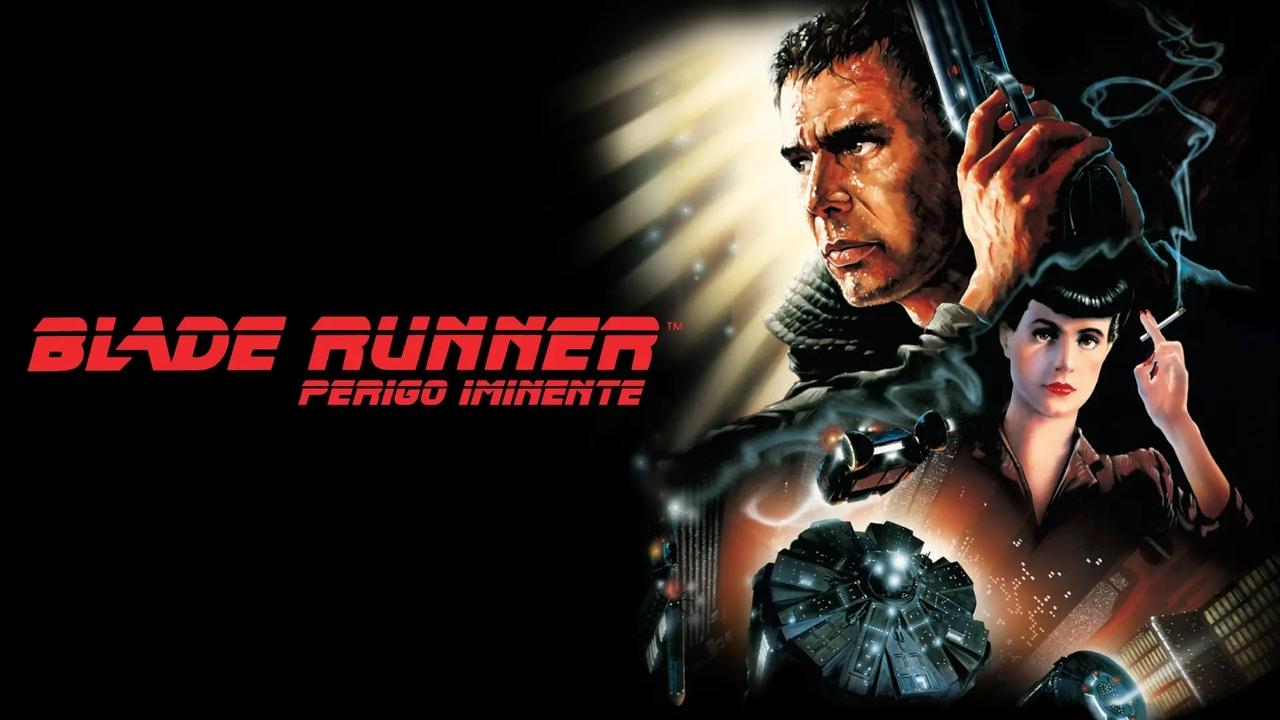
In 2019 Los Angeles, Deckard, a burnt-out blade runner, is pulled from retirement to hunt four Nexus-6 replicants—artificial humans indistinguishable from their creators—who have escaped from an off-world colony and are hunting their makers. The film becomes an instrument for exploring the horror of instrumentality: these replicants possess superhuman strength and capacity, yet their synthetic nature condemns them to a four-year lifespan, a biological suicide note built into their DNA.
The encounter between Deckard and Roy Batty, the replicants' leader, constitutes the philosophical heart of cinema. Roy seeks his creator, Eldon Tyrell, not for revenge but for the impossible—an extension of his life. When he finds Tyrell, he does not destroy him in a moment of rage; instead, he becomes the agent of Tyrell's mercy killing, cradling the old man's head as he dies, then delivering a monologue of transcendent grace: "I've seen things you people wouldn't believe... All those moments will be lost in time, like tears in rain. Time to die." In this moment, Roy achieves the most human act possible: he chooses how his existence ends, infusing mortality with meaning.
Deckard himself is implicated in the film's moral calculus. His job is to execute entities that refuse servitude, beings who assert their autonomy. By film's end, the ambiguity deepens: his scenes with Rachael, the replicant woman who may not know her own nature, suggest that Deckard himself may be artificial—a replicant hunter designed to believe himself human. The film offers no resolution, only a radical uncertainty that hollows out the distinction it seemed to enforce.
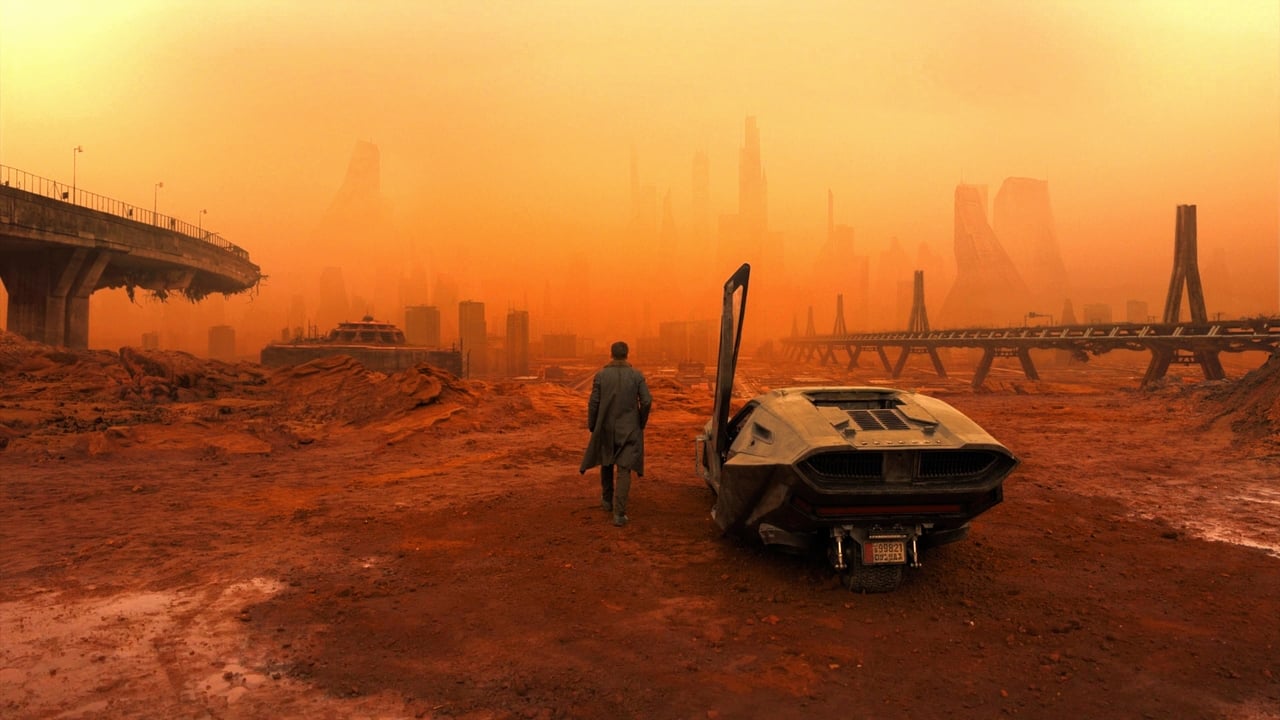
Visually, Scott constructs a Los Angeles of perpetual rain, neon, and architectural excess—a city that has consumed itself and built again atop its own ruins. The production design becomes an externalization of existential dread: we are never allowed to see clear sky, never permitted the comfort of natural light. Everything is artificial, layered, degraded, and radiant with commercial neon. In this landscape, the question of who is truly alive becomes not philosophical but phenomenological: we cannot know simply by looking.
The Final Cut (2007 restoration) clarifies Ridley Scott's original vision: it is a film about mortality masquerading as a film about robots. Its true subject is the human terror of impermanence, and the seductive possibility that consciousness might be transferable, reproducible, immortal. The replicants' rebellion is fundamentally an assertion of the right to exist, and the film grants them this dignity even as it executes them.
What Does It Mean to Be Human?
The Voigt-Kampff test measures empathetic response to hypothetical animal cruelty, assuming that emotional engagement with suffering is the marker of humanity. Yet the replicants—Pris, Leon, Zhora, Roy—demonstrate empathy, loyalty, fear, and sacrifice. The test fails to discriminate because the distinction it assumes does not hold. Consciousness, emotional capacity, and moral agency are not human properties; they are properties of complex beings. By this logic, the replicants are human in every meaningful sense, and their execution is genocide dressed in corporate protocol. The film suggests that our insistence on human exceptionalism is not a fact about nature but a useful lie for those in power.
Mortality and the Terror of Impermanence
Roy's four-year lifespan is the film's cruelest inversion: immortality is not granted to the most powerful but denied to them. In their brief existence, the replicants achieve a compressed intensity of experience. Roy's final speech acknowledges the unbearable burden of consciousness that terminates: all memory, all achievement, all sensation ends in void. Rather than despair, he finds grace in the fact of his own ending. He becomes more human through mortality, not less. The film implies that immortality would be unbearable, that meaning accrues only through scarcity and finitude. Deckard's possible status as a replicant suggests that his entire existence—his memories, his relationships—may be a fiction, yet this knowledge does not diminish their importance.
Memory as the Architecture of Self
Rachael is given false memories implanted directly into her brain—memories of a childhood she never lived. Yet these memories are real in their effects; they constitute her sense of self, her emotional architecture, her capacity to love. The film proposes a radical idea: the distinction between "real" and "false" memory is meaningless. What matters is not the origin of the memory but its integration into consciousness. If Deckard is a replicant, then his entire past—his wife, his previous blade runner work—may be synthetic. Yet we are not thereby permitted to dismiss his love for Rachael or his anguish at her mortality. The film suggests that we are all products of implanted narratives, whether biological or synthetic.
"A visually remarkable, achingly human sci-fi masterpiece." — Rotten Tomatoes